Introduction: Understanding WoW’s Raid Difficulty System
Raiding is the pinnacle of PvE content in World of Warcraft, challenging players with complex boss mechanics, teamwork requirements, and strategic execution. Since the game’s launch, raid difficulty levels have evolved, shifting from fixed raid sizes and static encounters to a tiered system with dynamic scaling and escalating challenge levels.
Today, there are four main difficulty levels for raids:
✔ LFR (Looking for Raid) – An entry-level version designed for casual players.
✔ Normal Mode – A flexible difficulty that serves as a starting point for organized groups.
✔ Heroic Mode – A step up in challenge, requiring more coordination and skill.
✔ Mythic Mode – The hardest difficulty, with fixed group sizes and highly complex mechanics.
Each difficulty caters to different player types, but the true progression path starts from Normal and goes up to Mythic, where the most dedicated raiders compete for world-first kills and prestigious achievements.
1. Normal Mode: The Foundation of WoW Raiding
A. What Makes Normal Mode Different?
Normal mode is the first true raiding experience for most players. Unlike LFR, which is tuned for random groups, Normal mode is designed for guilds and pre-made groups who want to experience the raid without excessive difficulty.
✔ Bosses have basic mechanics that introduce core raid concepts.
✔ Tuning is forgiving, allowing players to learn fights without being punished for small mistakes.
✔ Raid size is flexible (10 to 30 players), scaling mechanics accordingly.
B. The Learning Curve and Player Expectations
Normal mode acts as a stepping stone for newer players, helping them understand raid awareness, movement, and class responsibilities. Many guilds use Normal mode as a testing ground for new recruits, ensuring they can handle mechanics before moving to Heroic progression.
For many casual players, Normal is the perfect challenge, allowing them to experience endgame content without the extreme coordination required in higher difficulties.
2. Heroic Mode: The Next Step in Raid Progression
A. What Changes in Heroic Difficulty?
Heroic mode takes everything from Normal and raises the stakes. Bosses hit harder, mechanics become more punishing, and raid-wide coordination becomes essential.
✔ New mechanics are introduced, often requiring specific roles (interrupts, dispels, add control).
✔ Damage and health scaling are significantly higher, forcing better gear optimization.
✔ Mistakes have severe consequences, often leading to raid wipes.
B. The Teamwork and Coordination Factor
Unlike Normal mode, where individual mistakes can be forgiven, Heroic mode punishes uncoordinated play.
✔ Tanks must communicate taunt swaps and defensive cooldowns properly.
✔ Healers must track burst damage phases and mana efficiency.
✔ DPS must execute mechanics flawlessly while maintaining high damage output.
Heroic mode is the standard difficulty for serious raiding guilds, serving as the foundation for raid progression before Mythic.
3. Mythic Mode: The Ultimate Test of Skill
A. The Hardcore Raiding Experience
Mythic mode is designed for the best players in the game. Unlike Normal and Heroic, Mythic has a fixed 20-player size, ensuring fights are balanced around a specific composition.
✔ Boss mechanics are completely reworked, often introducing entirely new phases.
✔ Damage tuning is extreme, making perfect execution mandatory.
✔ Group composition matters, with certain classes and specs excelling in specific fights.
B. Raid Preparation and Execution
Mythic raiding requires weeks (or months) of preparation, including:
✔ Optimizing gear, consumables, and tier set bonuses.
✔ Studying boss strategies extensively before even attempting the fight.
✔ Minimizing downtime and improving efficiency with raid logs and post-fight analysis.
Only the most organized and skilled raid teams complete Mythic raids before the next major content patch.
4. The Major Differences Between Normal, Heroic, and Mythic Raids
A. Mechanics Complexity
✔ Normal mode introduces basic mechanics, allowing players to understand the fight.
✔ Heroic mode expands on mechanics, requiring more coordination and role-specific responsibilities.
✔ Mythic mode often introduces entirely new mechanics, demanding near-perfect execution.

For example, in Vault of the Incarnates:
✔ In Normal mode, Raszageth’s storm phase is relatively simple.
✔ In Heroic mode, the storm phase has increased movement requirements.
✔ In Mythic mode, additional knockback mechanics force extreme positioning and split-second decision-making.
B. Raid Size and Scaling
✔ Normal and Heroic modes use flexible raid sizes (10-30 players), scaling enemy health and damage.
✔ Mythic requires a fixed 20-player group, meaning there is no scaling and fights are balanced for precise execution.
This makes Mythic far less forgiving, as losing even one player early in a fight can result in an automatic wipe.
5. Rewards and Incentives for Different Raid Difficulties
A. Loot Quality and Item Level Differences
✔ Normal mode drops baseline raid gear, ideal for gearing up fresh characters.
✔ Heroic mode offers stronger gear, often with set bonuses and trinkets with enhanced effects.
✔ Mythic mode provides the highest item level gear, often including special effects exclusive to that difficulty.

For example, in The War Within:
✔ A Mythic-level trinket may have extra procs or scaling effects that don’t exist in lower difficulties.
✔ Unique titles, mounts, and cosmetics are often exclusive to Mythic raiders.
B. Prestige and Achievements
✔ Heroic mode completion unlocks Ahead of the Curve (AotC) achievements.
✔ Mythic mode completion grants Cutting Edge achievements and server-first recognition.
✔ Many top-tier raid rewards (titles, mounts) are unobtainable once the raid tier ends.
These incentives drive high-end raiding guilds to push progression as quickly as possible.
6. Which Raid Difficulty Is Right for You?
Choosing the right difficulty depends on your personal goals, skill level, and available time commitment.
✔ Casual players who want a story-driven experience will enjoy Normal mode.
✔ Players who enjoy a challenge but don’t want extreme pressure will thrive in Heroic mode.
✔ Dedicated, competitive raiders looking for the ultimate test will find Mythic mode rewarding.
Many players progress naturally, starting from Normal, moving to Heroic, and eventually attempting Mythic if they seek greater challenge.
7. The Psychological and Social Aspects of Raid Difficulty
Beyond mechanics and gear rewards, raid difficulty levels impact the player experience in different ways. Each difficulty setting creates a unique social environment, affecting team dynamics, leadership styles, and even personal stress levels.
A. The Casual and Social Nature of Normal Mode
Normal mode is widely considered the most relaxed raiding environment.
✔ Pug-friendly: Players can easily join groups through the in-game group finder.
✔ Less reliance on strict coordination: Minor mistakes don’t cause full wipes.
✔ A great space for learning: New raiders and casual players can experience endgame content without pressure.
For guilds, Normal mode is often used as a fun raid night, where players can experiment with different classes, joke around, and enjoy the atmosphere of large-group gameplay. The lack of extreme punishment mechanics means that Normal raiding tends to be low-stress and social, making it ideal for those who enjoy the content without serious time commitments.
B. Heroic Mode and the Shift to Progression Mindset
Once a raid team steps into Heroic, the social dynamic shifts significantly.
✔ Mistakes are no longer as forgiving, meaning accountability becomes crucial.
✔ Raid leaders expect players to optimize their gear, consumables, and cooldown usage.
✔ Learning fights can take several nights, depending on the difficulty of individual bosses.
In many guilds, Heroic raiding becomes the first real test of dedication. Players who perform poorly may be benched, and roster changes become more common as groups strive for better consistency. This transition often leads to more structured leadership, where raid leaders and officers start analyzing performance metrics like logs, DPS rankings, and survivability reports.
Despite the added difficulty, Heroic mode is still accessible to organized guilds who dedicate themselves to learning the fights, making it the most popular endgame difficulty for raiders who don’t want to invest Mythic-level time commitments.
C. The High-Pressure World of Mythic Raiding
At the Mythic level, raiding is no longer just a game—it becomes a full-fledged competition. The prestige of earning “Cutting Edge” achievements, as well as server-first or world-first rankings, makes Mythic a highly competitive and intense environment.
✔ Roster optimization is strict – Guilds often recruit only the best-performing players.
✔ Raiding schedules become more demanding, sometimes requiring 10+ hours per week.
✔ Mistakes can end an entire night’s progress, meaning tension and expectations are high.
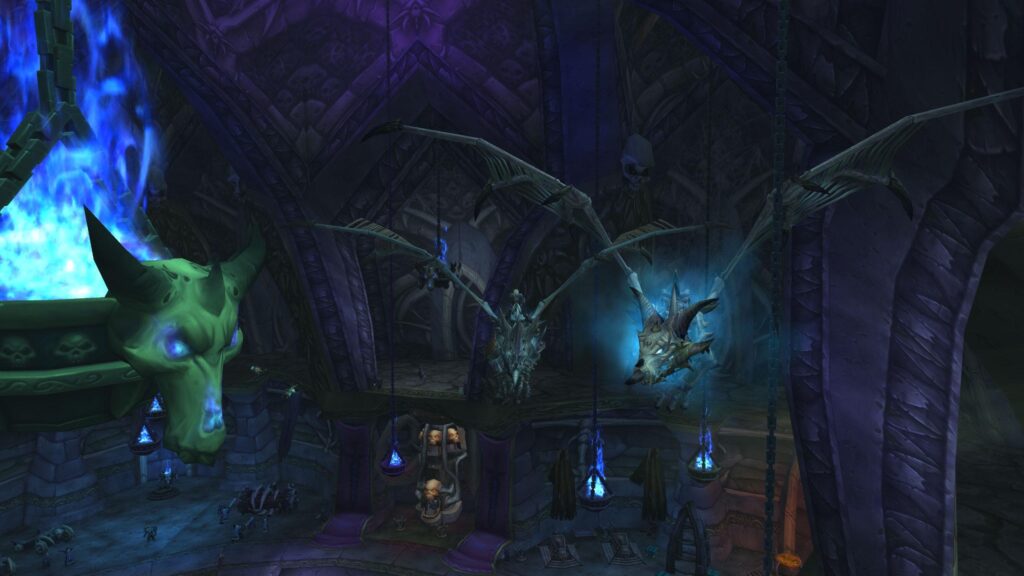
Players in Mythic guilds must be thick-skinned—feedback is often direct, logs are scrutinized, and performance expectations are strict. Some top-tier Mythic guilds even require players to level multiple alts to provide the best raid composition for different bosses.
While the stress level is high, the satisfaction of defeating a Mythic boss is unmatched. The level of skill and teamwork required builds an incredibly tight-knit community, and many Mythic raiders form long-term friendships with their teammates.
8. Raid Leadership and Shot-Calling at Different Difficulties
The role of raid leaders and shot-callers changes dramatically between difficulties.
A. Leading a Normal Raid: Keeping the Group Moving
In Normal mode, the raid leader acts more as a guide rather than a strict strategist.
✔ Explaining mechanics is common, especially for first-time players.
✔ Wipes are usually caused by simple execution errors, not strategy problems.
✔ There is more room for flexibility, allowing for a relaxed atmosphere.
The goal in Normal is often just to clear the content efficiently, rather than pushing optimization.
B. Leading a Heroic Raid: Balancing Strategy and Accountability
Heroic raid leaders must ensure players understand advanced mechanics while maintaining efficiency.
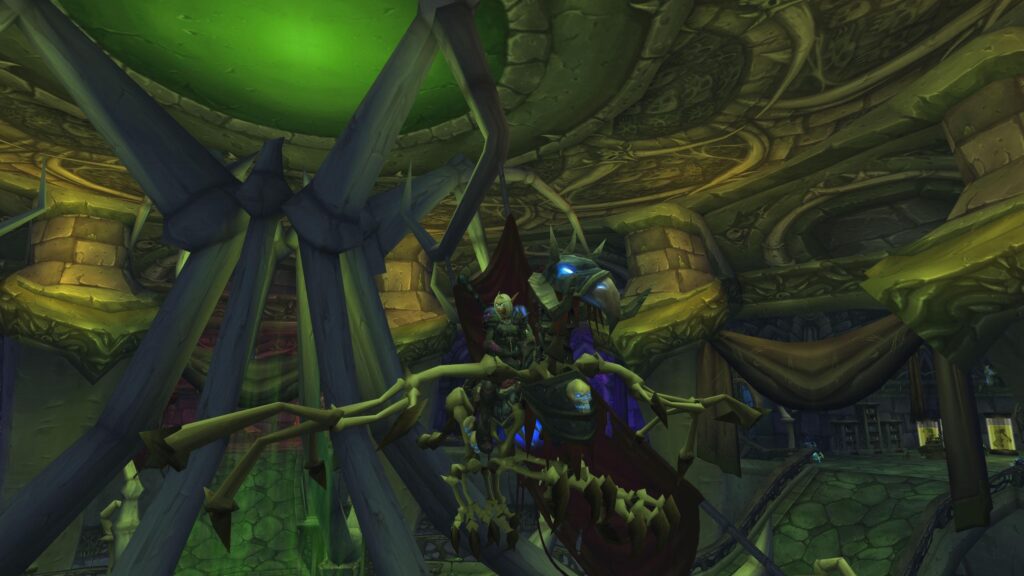
✔ Clear communication becomes essential, with structured callouts during fights.
✔ Weak performers may be benched if they consistently fail mechanics.
✔ Cooldown management and role assignments become part of pre-pull planning.
Heroic raid leaders often rely on assistants (officers, heal leads, tank coordinators) to manage specific aspects of the fight.
C. The Precision Required for Mythic Raid Leadership
Mythic raid leaders have the most demanding job, as every second in a fight matters.
✔ They study logs, boss timers, and execution patterns extensively before each pull.
✔ They make split-second calls based on real-time performance.
✔ They fine-tune assignments to ensure optimal positioning, cooldown usage, and target priorities.
Mythic raid leaders must also manage player morale, ensuring the team stays motivated even after dozens of wipes on a single boss.
9. How Blizzard Balances Raid Difficulties Over Time
Blizzard continually adjusts raid difficulty tuning, ensuring that:
✔ Normal remains accessible to the broader player base.
✔ Heroic provides a meaningful challenge without being impossible.
✔ Mythic stays at the cutting edge of difficulty while rewarding top-tier players.
A. Mid-Tier Nerfs and Raid Accessibility
As expansions progress, Blizzard gradually nerfs Heroic and Mythic raids, allowing more players to complete them.
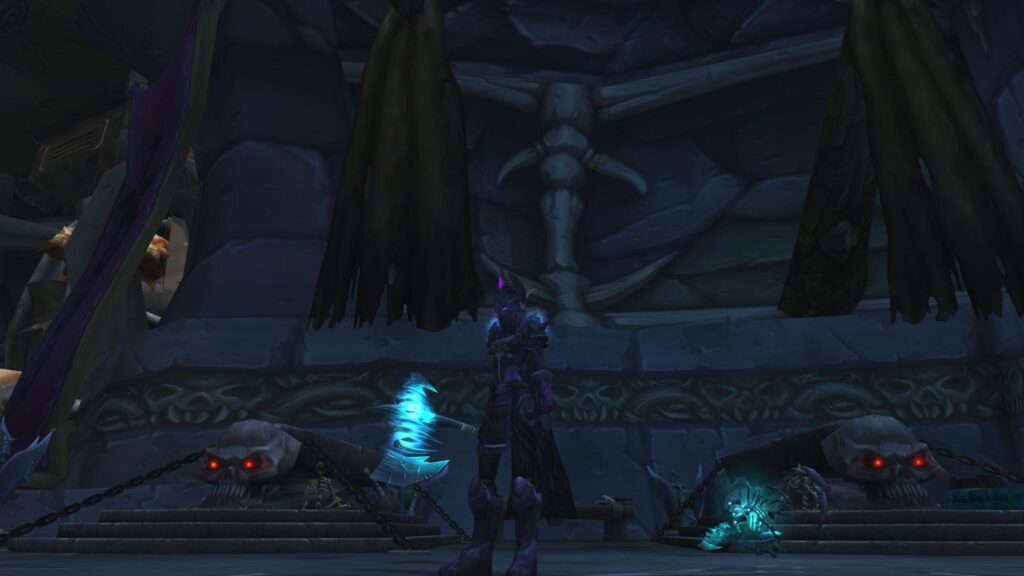
✔ Boss health is reduced, or mechanics become slightly easier.
✔ Raid-wide buffs (like the 30% ICC buff) help struggling groups progress.
✔ Mythic bosses may receive balance changes based on raid data.
These adjustments ensure that the majority of players can experience raid content before a new expansion drops.
10. The Future of Raid Difficulty in WoW: What Comes Next?
With each new expansion, Blizzard refines the raiding experience, introducing:
✔ More dynamic mechanics that change based on difficulty level.
✔ Boss fights that evolve across phases, rewarding strong execution.
✔ New raid-wide abilities that encourage teamwork and strategic cooldown usage.
As The War Within approaches, players can expect even greater differentiation between raid difficulties, ensuring that casual, mid-tier, and elite raiders all have engaging content.
Final Thoughts: Finding the Right Raid Difficulty for You
Every WoW raider finds their own comfort zone within Normal, Heroic, or Mythic difficulty.
✔ If you want a casual, social experience—stick with Normal.
✔ If you enjoy moderate challenge and structured progression—Heroic is perfect.
✔ If you crave the ultimate test of skill and teamwork—Mythic is your battleground.
The best part of WoW raiding? No matter which difficulty you choose, teamwork, preparation, and execution will always be the keys to success.
