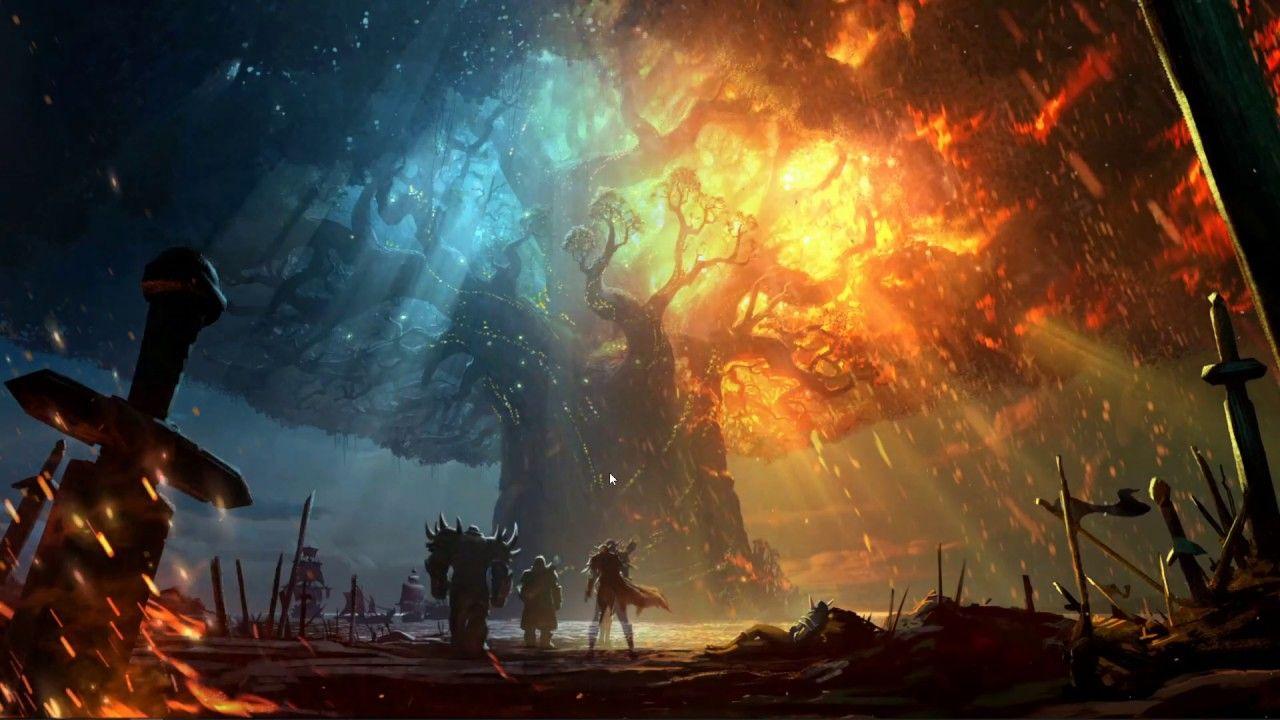
Introduction: The Transformation of Raiding in World of Warcraft
Raiding has been at the core of World of Warcraft since its launch in 2004. Over the years, it has undergone massive transformations, adapting to new technologies, player expectations, and design philosophies. What started as gruelling 40-player dungeon crawls has evolved into dynamic, mechanically intensive encounters with flexible raid sizes and multiple difficulty levels.
From the brutality of Molten Core to the cutting-edge innovations in The War Within, the history of WoW raids tells the story of the game’s ever-changing PvE landscape. This article explores the evolution of raiding in World of Warcraft, examining how mechanics, team compositions, and player engagement have evolved across the years.
1. The Classic Era: 40-Man Raids and Hardcore Challenges (2004-2006)
Molten Core, Blackwing Lair, and the Birth of Raiding
In Vanilla WoW, raids were massive, unforgiving, and required weeks (or even months) of preparation. The first major raid, Molten Core, introduced the concept of large-scale, PvE encounters, requiring 40 players, attunements, and extensive farming for resistance gear.
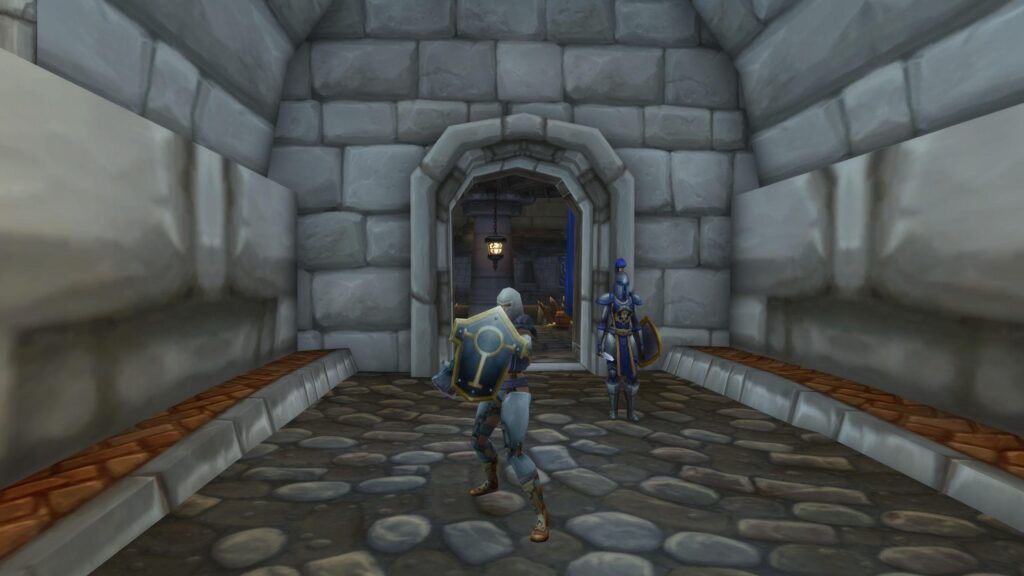
- Boss mechanics were simplistic compared to today’s standards.
- Encounters relied heavily on gear checks rather than skillful execution.
- Loot distribution was highly competitive, with guilds often prioritizing loot for specific players.
Blackwing Lair, Ahn’Qiraj, and Naxxramas 40 pushed the difficulty even further. Guilds had to coordinate dozens of players, manage world buffs, and strategize for weeks just to clear bosses like C’Thun and Kel’Thuzad. These early raids set the foundation for what high-end PvE content would become.
2. The Burning Crusade: Refining the Raid Formula (2007-2008)
Smaller Raid Sizes and Increased Complexity
With The Burning Crusade, Blizzard reduced raid sizes from 40 to 25 players, making them more manageable while still maintaining difficulty. This shift introduced:
- More complex mechanics requiring precise execution.
- Better encounter tuning since Blizzard could design fights around smaller groups.
- 10-man Karazhan as an entry-level raid, making raiding more accessible to casual players.
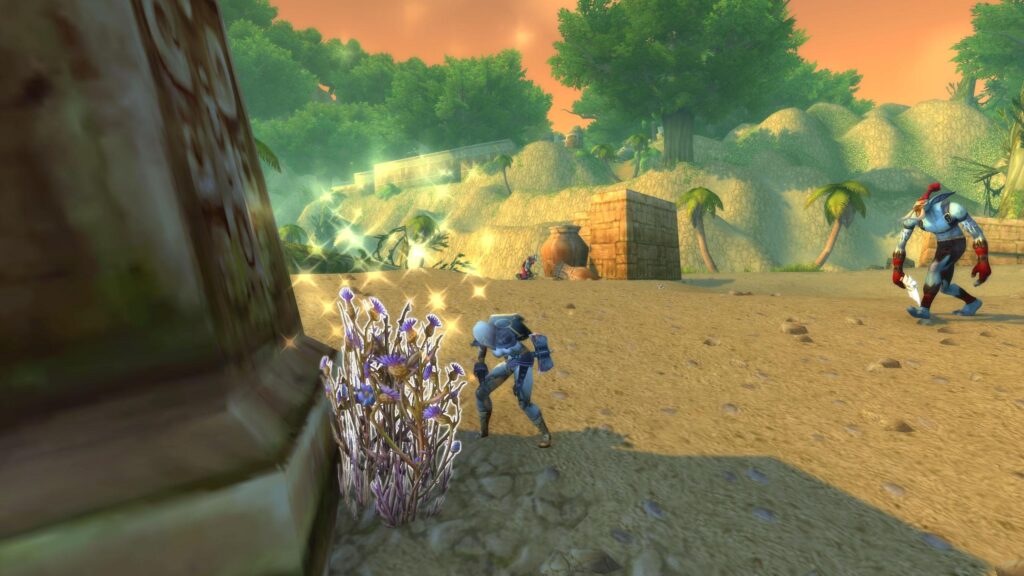
Raids like Black Temple and Sunwell Plateau became legendary for their difficulty, with bosses like M’uru and Kil’Jaeden requiring perfect coordination and execution.
This era marked the beginning of raid difficulty scaling, as Blizzard started designing fights that demanded both gear and skill rather than just sheer numbers.
3. Wrath of the Lich King: Multiple Raid Sizes and Flexible Access (2008-2010)
The Introduction of 10- and 25-Player Versions
Wrath of the Lich King revolutionized raiding by offering both 10-man and 25-man versions of every raid. This increased accessibility, allowing more players to experience endgame content.
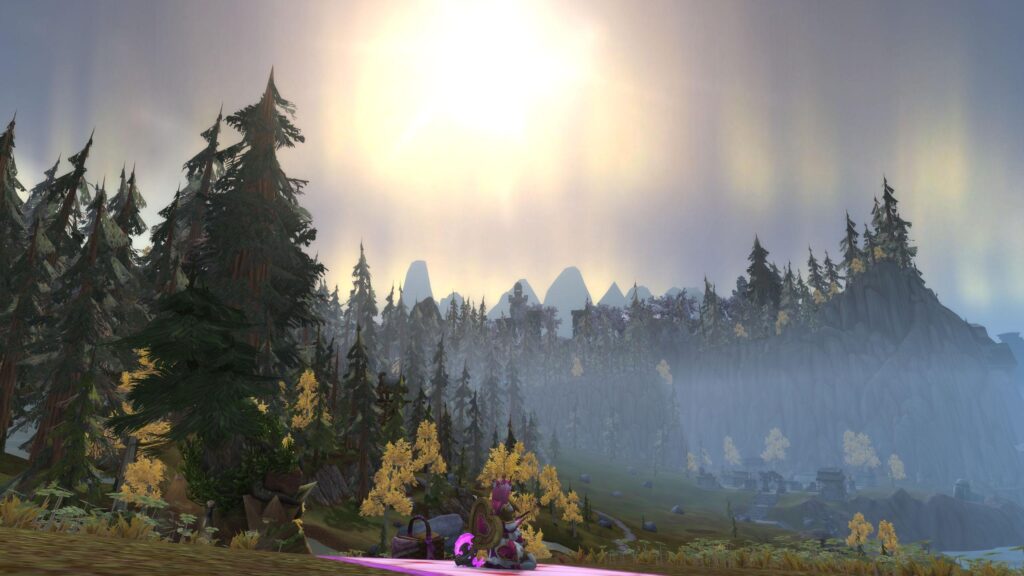
Notable changes included:
- Hard Modes in Ulduar, which introduced optional challenges within fights.
- Icecrown Citadel’s scaling difficulty, leading up to the epic confrontation with the Lich King.
- The Trial of the Crusader’s single-room design, which removed trash and focused entirely on boss fights.
This expansion refined raid design, balancing accessibility for casual players while preserving challenge for hardcore raiders.
4. Cataclysm: The Birth of Raid Finder and More Player-Friendly Systems (2010-2012)
The Casualization of Raiding
Cataclysm introduced Raid Finder (LFR), allowing random groups of players to experience raid content at a lower difficulty. This marked a turning point in WoW raiding, as endgame PvE became more accessible than ever.
Key innovations:
- Flexible raid lockouts, preventing players from being locked into one difficulty.
- Raid Finder for casual players, offering easier versions of Dragon Soul.
- More challenging Heroic raids, ensuring difficulty for progression-focused guilds.
Raiding was no longer reserved for dedicated guilds—anyone could queue for a raid, see the content, and experience WoW’s most epic battles.
5. Mists of Pandaria: The Dawn of Flexible Raid Sizes (2012-2014)
Dynamic Scaling and Mythic Raiding
The biggest innovation in Mists of Pandaria was the Flexible Raid system, first introduced in Siege of Orgrimmar. This allowed raid sizes to scale dynamically between 10 and 25 players, removing strict size requirements.
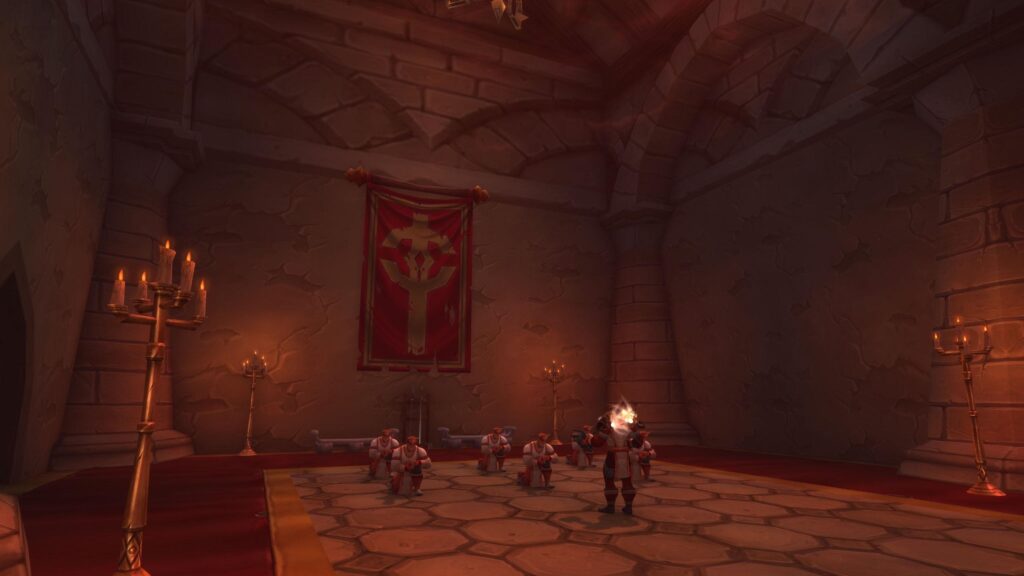
Blizzard also introduced Challenge Modes, rewarding precision and execution, and experimented with cross-realm raiding, allowing more players to experience content together.
6. Warlords of Draenor: The Mythic Standard (2014-2016)
Mythic Raiding Becomes the Pinnacle of PvE
Warlords of Draenor made Mythic Raiding a fixed 20-player difficulty, creating a true hardcore PvE challenge. This ensured that:
- Fights could be balanced around a single raid size, leading to better-designed encounters.
- Mythic difficulty required perfect execution, solidifying it as the top-tier PvE challenge.
- Raid progression was more structured, with Highmaul, Blackrock Foundry, and Hellfire Citadel offering increasing difficulty levels.
While Warlords had content droughts, its raiding model became the blueprint for modern WoW raiding.
7. Legion: Multiple Raids Per Tier and M+ Integration (2016-2018)
Legion innovated by:
- Releasing multiple raids per tier, keeping content fresh.
- Integrating Mythic+ dungeons as an alternate progression path.
- Offering the most diverse raid lineup since TBC, with Nighthold, Tomb of Sargeras, and Antorus bringing memorable encounters.
This expansion saw some of the most well-received raids, with bosses like Kil’Jaeden and Argus setting new benchmarks for difficulty and storytelling.
8. Battle for Azeroth and Shadowlands: Refinement and Experimentation (2018-2022)
Faction-Specific Raids and Timed Boss Releases
BFA introduced Battle of Dazar’alor, a raid with faction-specific encounters, while Shadowlands experimented with timed boss releases in Sepulcher of the First Ones.
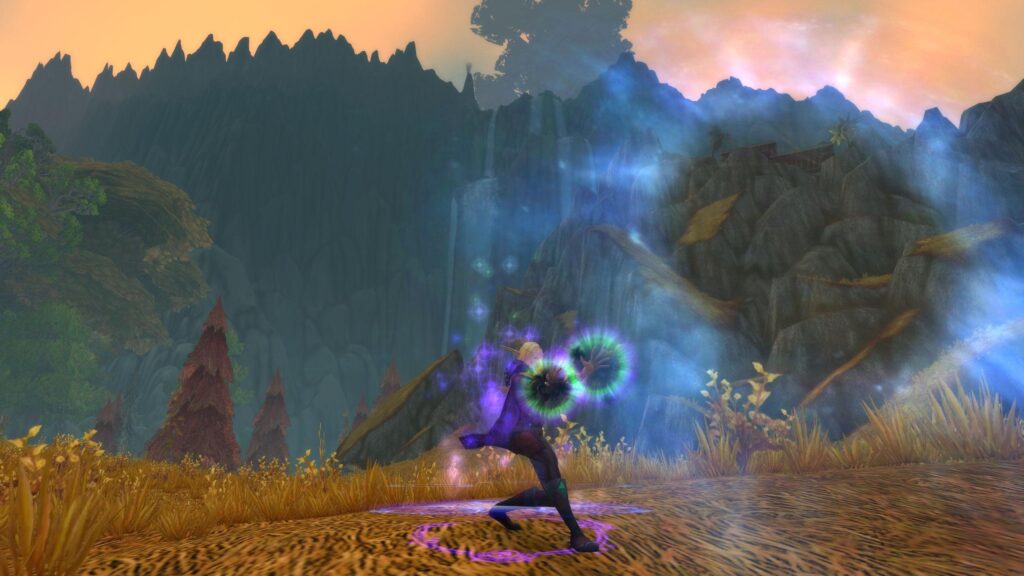
- Raid mechanics became increasingly complex, with multiple interwoven phases.
- Encounters demanded coordination beyond just DPS checks.
- Player participation fluctuated due to controversial expansion systems.
While raid design remained strong, BFA and Shadowlands suffered from player engagement issues due to overarching expansion problems.
9. Dragonflight and The War Within: The Future of WoW Raiding (2022-Present)
New Innovations and Return to Player-Centric Design
Dragonflight and The War Within have focused on refining player agency and engagement. Some key trends include:
- More player-friendly gearing systems, making raiding accessible without excessive grinding.
- Return of beloved systems like tier sets, improving class identity.
- More fluid raid mechanics, ensuring fights remain challenging but fair.
With Blizzard’s renewed focus on player enjoyment, the future of WoW raiding looks bright, blending nostalgic elements with new innovations.
10. The Future of Raiding in World of Warcraft: What Comes Next?
As World of Warcraft continues to evolve, so does its raid design philosophy. With The War Within and beyond, Blizzard is introducing new raid mechanics, AI-driven encounters, and fresh innovations aimed at keeping the PvE experience engaging for all types of players.
A. The Evolution of Raid Mechanics: What Can We Expect?
Each expansion has introduced new mechanics that redefine the raiding experience. In The War Within, Blizzard is experimenting with:
✔ Adaptive AI mechanics – Bosses that react dynamically to player strategies rather than following rigid ability sequences.
✔ Multi-phase environmental interactions – Raids where players traverse different layers of a zone mid-fight, such as moving between dimensions or fighting across different terrain levels.
✔ Greater emphasis on role responsibility – Tanks, healers, and DPS will need to interact with mechanics unique to their role, ensuring every player feels vital to the encounter’s success.
By integrating these evolving design philosophies, Blizzard ensures that each raid tier remains fresh, engaging, and progressively more immersive.
B. The Shift Toward Cross-Faction and Cross-Realm Raiding
For most of WoW’s history, raiding was limited by faction boundaries. However, Blizzard has started to tear down these barriers, allowing:
✔ Horde and Alliance players to raid together, increasing team-building opportunities.
✔ Cross-realm raiding to become more accessible, reducing server population limitations.
✔ A more community-driven raid environment, where player skill matters more than faction loyalty.
With each expansion, Blizzard is focusing more on cohesive, unified PvE experiences, allowing greater flexibility in forming high-end raid teams.
C. Possible Future Raid Innovations Beyond The War Within
With advancing technology and evolving player expectations, future expansions could see:
✔ Procedurally generated raid wings – Mini-raid experiences that change with each reset.
✔ Player-driven raid modifiers – Customizable difficulties that allow raid teams to tailor their experience.
✔ Fully open-world raid bosses – Large-scale raid encounters that take place in dynamic, evolving world zones, rather than instanced locations.
The potential for next-generation raid content is limitless, and Blizzard has shown that they are willing to push boundaries to keep WoW’s PvE content at the forefront of the MMO genre.
Final Thoughts: Raiding’s Enduring Legacy in WoW
From Molten Core’s chaotic 40-player battles to The War Within’s cutting-edge encounters, raiding has remained the heart of World of Warcraft’s PvE experience. The game has continuously evolved to embrace new mechanics, accommodate different playstyles, and provide unforgettable boss fights.
✔ Classic raids tested endurance and preparation.
✔ Burning Crusade and Wrath refined mechanics and raid size flexibility.
✔ Mists of Pandaria and Warlords introduced dynamic scaling and Mythic raids.
✔ Modern expansions focus on cinematic storytelling, innovation, and accessibility.
As Blizzard continues to innovate, the future of raiding in World of Warcraft is poised to deliver even more immersive, challenging, and rewarding encounters. Whether you’re a veteran raider from Classic WoW or a newcomer diving into endgame PvE, raiding will always remain one of the most exciting and defining aspects of World of Warcraft.
What do you think the future of WoW raiding holds? Share your predictions and favorite raid memories in the comments below! 🚀
