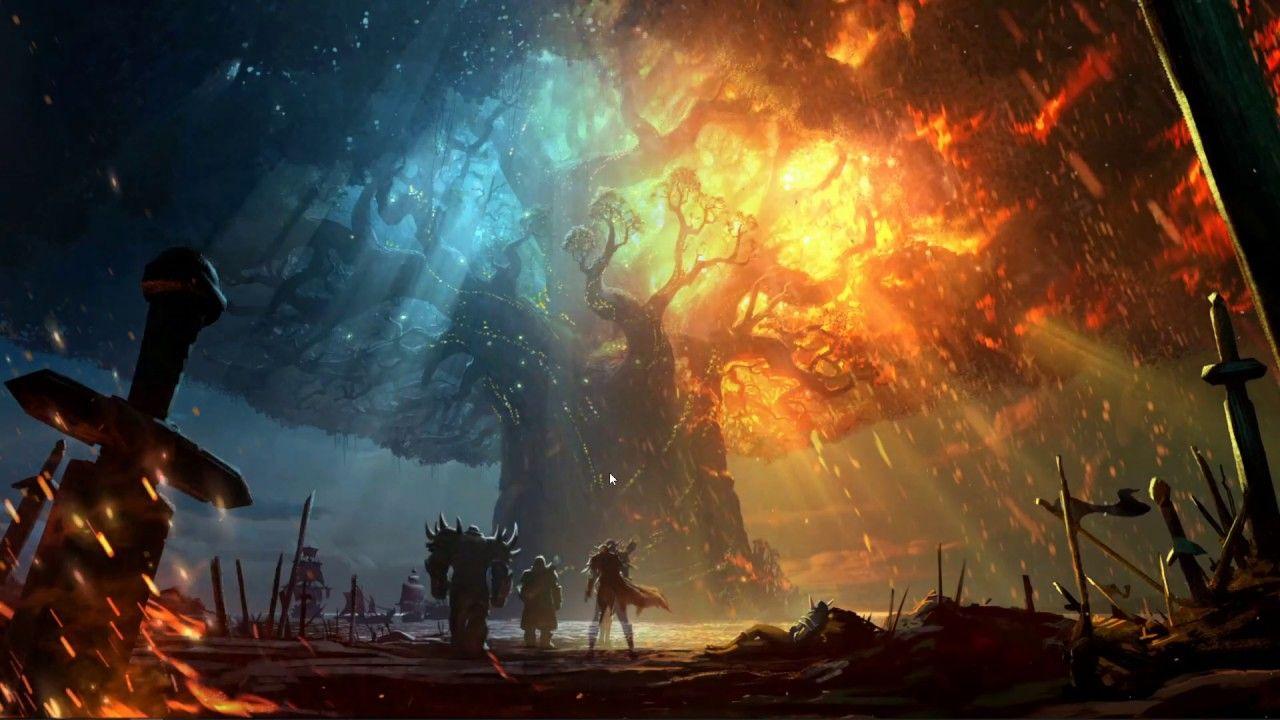
Introduction: The Evolution of Raiding in WoW
Raiding has always been the pinnacle of World of Warcraft’s PvE content. Since the game’s launch in 2004, raid tiers have shaped how players engage with high-end encounters, acquire the best gear, and push their characters to the limits. Whether you’re a newcomer trying to grasp how raid progression works or a veteran looking for insights into the raid tier structure, understanding the WoW raid tiers explained in detail is essential for mastering endgame content.
The raid progression system in WoW is designed to introduce increasing levels of difficulty, requiring teamwork, strategy, and class mastery. From entry-level raids that introduce core mechanics to Mythic-tier raids that demand perfect execution, every expansion follows a structured system that keeps raiding fresh and challenging.
This guide will break down:
- How raid tiers function in WoW
- The different difficulty levels and their progression
- How raid tiers impact gear and player power
- The role of teamwork and preparation in high-end raiding
By the end, you’ll have a complete understanding of how WoW’s raid system works and how you can progress efficiently through each tier.
What Are Raid Tiers in WoW?
A raid tier in World of Warcraft refers to a specific level of raid content introduced within an expansion. Each expansion features multiple raid tiers, with each tier offering a new set of bosses, mechanics, and loot progression.

Raid tiers typically include:
- A brand-new raid instance with unique bosses and mechanics.
- An increasing level of difficulty, from Normal to Mythic.
- New gear sets and rewards, improving character power.
- A structured progression system, requiring players to defeat bosses in a specific order.
Each raid tier builds upon the last, ensuring continuous engagement as new mechanics and challenges are introduced. Players must adapt and refine their skills as encounters become more demanding with each new content patch.
The Raid Progression System in WoW
The raid progression system in WoW follows a structured path, ensuring that players gradually improve their gear, strategy, and teamwork as they progress.
1. Raid Difficulty Levels Explained
Blizzard offers four difficulty levels in WoW’s modern raid structure:
- LFR (Looking for Raid) – Entry-Level Raiding
- LFR is designed for casual players, offering an easy mode for experiencing the story and earning introductory gear.
- Mechanics are greatly simplified, requiring minimal coordination.
- This mode is optional for players focusing on Normal or higher difficulties.
- Normal Mode – The Foundation of Raid Progression
- The starting point for organized raiding.
- Mechanics are fully intact, but damage and coordination requirements are forgiving.
- Normal mode prepares players for higher difficulties, offering a solid balance between challenge and accessibility.

- Heroic Mode – Stepping into Serious Raiding
- A significant jump in difficulty over Normal.
- Requires stronger execution, precise movement, and team coordination.
- Rewards higher-level gear and introduces mechanics that punish mistakes more severely.
- Many raiding guilds focus on Heroic as their primary difficulty.
- Mythic Mode – The Ultimate Challenge
- The hardest difficulty, designed for hardcore raiders.
- Boss mechanics are dramatically intensified, requiring perfect teamwork and execution.
- Raid sizes are fixed at 20 players (unlike other difficulties which use flexible scaling).
- Mythic raids feature exclusive rewards, such as special mounts and prestigious titles.
Each difficulty level builds on the foundation of the previous one, making progression a steady learning process.
How Raid Tiers Influence Gear Progression
1. Gear as a Core Component of Raiding
One of the biggest reasons players engage with raid content is the gear progression system. As players advance through higher raid tiers, they gain access to better weapons, armor, and trinkets, which in turn, increases their character’s effectiveness in combat.
- Each raid tier introduces new item levels, scaling up with difficulty.
- Set bonuses from tier gear can significantly enhance performance.
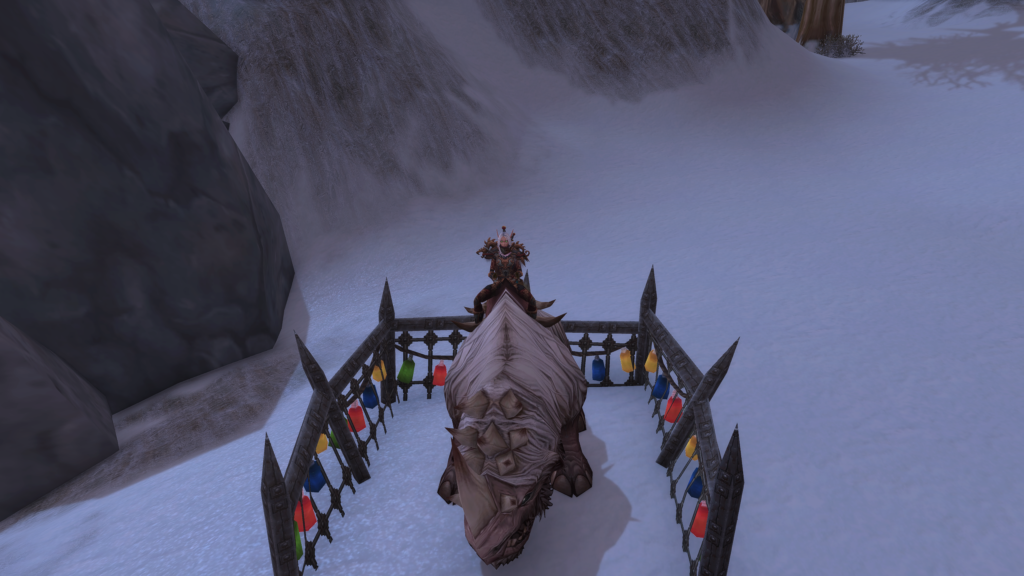
- Higher raid difficulties offer more powerful trinkets and weapons.
- Crafting materials and Legendary items often come from raids, making them essential for character progression.
2. Loot Systems and Distribution in Raids
Historically, loot distribution has varied across expansions. The most common systems include:
- Personal Loot – Each player receives their own loot randomly.
- Master Loot (removed in BFA) – The raid leader distributes loot manually.

- Group Loot (Dragonflight-era revamp) – A rolling system where players can bid on items that drop.
Understanding how loot works is critical for efficient gearing in a raid environment.
Why Teamwork and Preparation Matter in Raid Progression
Raiding in WoW isn’t just about individual skill—it’s about teamwork, preparation, and coordination.
1. Role Assignments in Raiding
Each player fills a specific role in a raid team:
- Tanks – Absorb damage, control boss positioning, and manage mechanics.
- Healers – Keep the team alive through powerful healing and mitigation.
- DPS (Damage Dealers) – Focus on executing the fight mechanics while maximizing damage output.
A well-balanced raid group ensures that every role is filled efficiently, leading to smoother progression.
2. Studying Boss Mechanics and Strategy
- Watching raid guides ahead of time ensures that players understand each encounter’s mechanics.
- Using add-ons like Deadly Boss Mods (DBM) or WeakAuras helps players track abilities and cooldowns.
- Assigning specific players to key mechanics ensures that everyone knows their responsibilities.
3. Communication is Key
- Voice communication tools (Discord, TeamSpeak) are essential for coordinating mechanics in real-time.
- Calling out important mechanics ensures that the team reacts quickly.
- Raid leaders should provide clear instructions and feedback to keep the team on track.
A well-prepared team with clear communication and strong synergy is far more likely to succeed in raid progression.
The Future of Raid Tiers in WoW
With The War Within expansion on the horizon, the raid progression system in WoW is expected to evolve even further.
- Dynamic difficulty scaling may become more refined, ensuring a balanced experience across different skill levels.
- More unique raid mechanics will challenge players to adapt and experiment with new strategies.
- New loot progression systems could further enhance player customization and playstyle diversity.
Blizzard has consistently refined raid progression to ensure that WoW raiding remains engaging, rewarding, and challenging for all player types.
Advanced Strategies for Efficient Raid Progression
Mastering raid progression in World of Warcraft isn’t just about showing up and following mechanics—it’s about strategic planning, execution, and continuous improvement. Whether you’re part of a casual raiding guild or a hardcore Mythic progression team, refining your approach to raiding will significantly impact your success.
Below, we’ll explore advanced strategies for faster progression through raid tiers, including preparing for raid nights, optimizing group compositions, and learning from raid logs.
1. Pre-Raid Preparation: Setting Your Team Up for Success
One of the most overlooked aspects of raid progression is preparation. Raids are complex encounters that require not just skill, but also research and planning. A well-prepared team will always outperform a group that relies purely on in-the-moment decision-making.
A. Understanding Raid Mechanics Before You Pull
Before attempting any boss fight, every raider should:
- Read boss guides from Wowhead, Icy Veins, or FatBossTV to understand mechanics in advance.
- Watch video guides to visualize boss positioning, movement patterns, and damage phases.
- Use Dungeon Journal (in-game tool) to review boss abilities and potential threats.
The best teams assign roles for specific mechanics ahead of time, reducing last-minute confusion.
B. Ensuring Your Character is Fully Optimized
- Use Raidbots (SimC) to simulate your best gear choices based on stats and fight length.
- Enchant and gem all your gear appropriately for your class specialization.
- Bring consumables, including stat-boosting flasks, food buffs, and DPS/healing potions.
Many high-end raiders pre-craft consumables before raid nights, ensuring they never run out mid-progression.
2. Group Composition and Raid Synergy
While World of Warcraft has done a great job balancing most classes, certain raid compositions perform better based on available buffs, utility, and encounter mechanics.
A. How Class Synergy Affects Progression
A well-optimized raid team typically includes:
- Bloodlust/Heroism provider (Shaman, Mage, Hunter) – Invaluable for maximizing burst windows.
- Defensive raid cooldowns (Priest’s Power Word: Barrier, Paladin’s Devotion Aura, Warrior’s Rallying Cry) – Crucial for surviving high-damage mechanics.

- Utility-based classes (Monks with Ring of Peace, Rogues with Cloak of Shadows for immunity mechanics) – Essential for handling specific boss phases.
While bringing high DPS and HPS classes is important, team utility and synergy often make the biggest difference in Mythic progression.
B. Balancing Melee and Ranged DPS
- Some encounters favor ranged DPS, while others allow melee-heavy groups.
- Bosses with spread-out mechanics (like Halondrus in Sepulcher of the First Ones) require more ranged classes.
- Encounters that allow tight stacking (like Sludgefist in Castle Nathria) benefit from high melee burst damage.
Understanding which classes excel in which types of fights will help optimize raid compositions and maximize output.
3. Learning from Logs: Analyzing Performance with Warcraft Logs
One of the most powerful tools for improving raid performance is Warcraft Logs, a website that allows players to analyze raid encounters, measure individual performance, and identify areas for improvement.
A. Key Metrics to Track in Warcraft Logs
- DPS/HPS Uptime – Measures how consistently you’re dealing damage or healing throughout a fight.
- Cooldown Usage – Shows whether you’re aligning major abilities with important damage windows.
- Avoidable Damage Taken – Identifies whether you’re dying to mechanics that should be avoided.
- Buffs & Debuffs – Checks if you’re properly maintaining class-specific buffs or debuffs on the boss.
B. How to Use Logs for Raid Progression
- Compare your logs to top players of your specialization to see where improvements can be made.
- Review death reports to determine if wipes were caused by mechanic failures or healing shortages.
- Track kill times and damage breakdowns to adjust strategy for more efficient boss clears.
Guilds that regularly review and analyze their logs tend to progress faster than those who do not.
4. The Importance of Raid Leadership and Shot-Calling
A successful raid group relies heavily on leadership. A strong raid leader or designated shot-caller can streamline decision-making and keep the team focused.
A. Effective Shot-Calling During Encounters
- Pre-pull Assignments: Before engaging the boss, the raid leader should go over important mechanics, positioning, and cooldown usage.
- Real-Time Communication: Calling out incoming damage phases, movement requirements, and player assignments ensures the group reacts efficiently.
- Post-Wipe Analysis: After a failed attempt, the leader should quickly identify what went wrong and make necessary adjustments.
B. Keeping Morale High During Progression
Raid progression can be frustrating, especially in Mythic difficulty. A good leader keeps morale high by:
- Encouraging players after close wipes to maintain focus.
- Avoiding blaming individuals and instead focusing on team-based improvements.
- Celebrating small victories, such as getting further into a boss fight than before.
A raid team with strong leadership, clear communication, and a positive environment will always progress faster.
5. How to Speed Up Raid Progression and Minimize Wipes
Raiding can be time-consuming, and maximizing efficiency during raid nights helps teams clear content faster.
A. Reducing Downtime Between Pulls
- Set a timer for pulls (e.g., “Next pull in 20 seconds”) to maintain momentum.
- Use ready-checks sparingly—only when making major strategic changes.

- Have repair bots and extra consumables available to prevent unnecessary downtime.
B. Avoiding Common Mistakes That Cause Wipes
- Unnecessary deaths from standing in AoE damage—prioritize survival over DPS.
- Mismanaged cooldowns—coordinate defensives for heavy-damage phases.
- Incorrect add priority—always focus on the most dangerous enemy first.
Avoiding basic mistakes and ensuring constant awareness significantly improves overall raid efficiency.
Final Thoughts: Mastering Raid Progression in WoW
Raiding in World of Warcraft is one of the most rewarding endgame experiences, offering a mix of skill, strategy, and teamwork. Understanding how raid tiers work, preparing effectively, and refining execution will help any team progress through content faster and more efficiently.
Key Takeaways for Raid Success
✔ Preparation is everything—study fights, optimize gear, and bring all consumables.
✔ Group synergy matters more than raw numbers—utility classes can make or break a raid.
✔ Use Warcraft Logs to analyze mistakes and refine performance.
✔ A strong raid leader and clear shot-calling improve success rates.
✔ Keep morale high during progression—every wipe is a learning experience.
By implementing these strategies, your raid team will not only clear content faster but also become one of the most efficient groups on your server.
Are you leading a raid team or working toward Mythic progression? Share your raid strategies and experiences below! 🚀
