
After years of expansions focused on cosmic wars and grim, high-stakes conflicts, Dragonflight shifted the focus back to the simple joy of discovery. By introducing the Dragon Isles and a vastly improved flight system, the game reminded players why they started playing in the first place: to see what’s over the next hill. This guide examines how Dragonflight re-centered wonder and exploration as the primary goals of the game, breaking down the design changes that made Azeroth feel wide, vertical, and mysterious again.

The Freedom of Vertical Movement
Dragonriding was the mechanical catalyst for this return to wonder. By replacing static flying with a dynamic, skill-based system, the developers effectively “unlocked” the verticality of the world. Players could now dive through canyons, soar over mountain peaks, and land on hidden ledges that were previously unreachable. This change turned exploration from a chore into a game in itself. The map became a three-dimensional playground, and the player’s mastery over their mount became the key to uncovering the secrets hidden in the high-altitude terrain of the Dragon Isles.
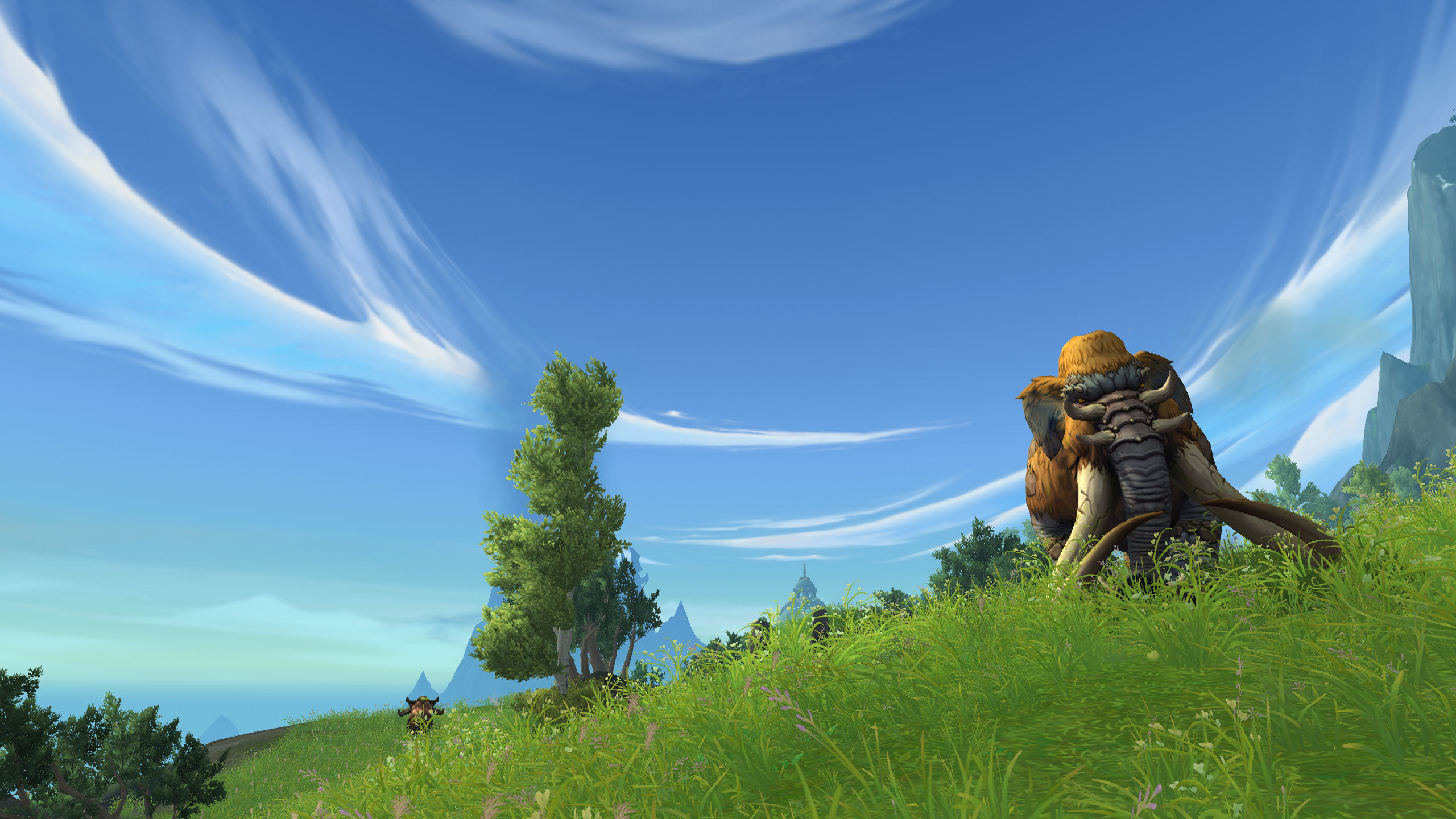
The zones themselves were designed to encourage this type of organic exploration. The Dragon Isles featured sprawling landscapes with diverse ecosystems—volcanic plains, icy summits, and lush forests—all connected by a sense of scale that felt truly grand. Unlike previous expansions that relied heavily on linear quest hubs, Dragonflight rewarded the curious. Players could wander off the path and find hidden treasure, side stories, or breathtaking vistas, effectively bringing the “Adventure” back into the game’s title. It was a clear design choice to move away from the “corridor-based” leveling of the recent past.
Key Design Shifts for Exploration
| Design Feature | Result for Exploration |
|---|---|
| Dynamic Dragonriding | High-speed navigation of vertical space. |
| Non-Linear Questing | Encourages wandering and curiosity. |
| Hidden Treasures | Rewards players for exploring off-road. |
| Vast Vistas | Maintains a constant visual sense of scale. |
Atmosphere as a Reward
The expansion also leaned heavily into a “lighter” aesthetic. The colors were vibrant, the music was sweeping and adventurous, and the narrative stakes were personal and ancient rather than apocalyptic and grim. This tonal shift allowed players to breathe. It reminded them that Azeroth is a beautiful, mythical place worthy of protection, not just a battlefield. This focus on atmosphere made the simple act of traveling feel rewarding, ensuring that players didn’t feel the need to rush, but rather, the urge to linger.
The Blueprint for Future Discovery
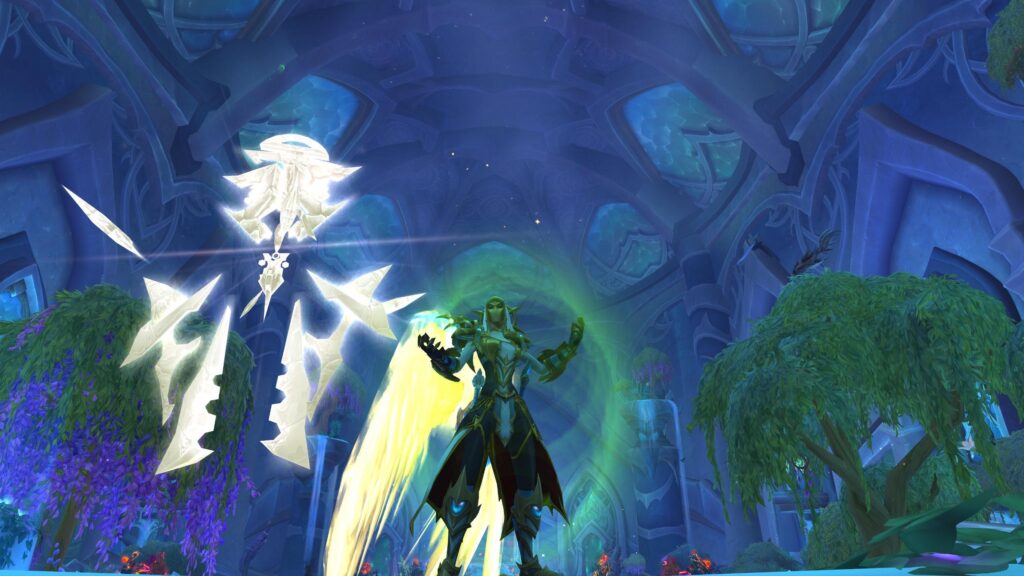
Dragonflight proved that players are just as interested in the world as they are in the gear. By making the environment interactive and the act of travel engaging, the developers managed to recapture the magic of earlier expansions. The lesson of the Dragon Isles is clear: when you give players the tools to explore and a beautiful world to explore them in, they will find their own adventures. It was a vital correction for the game, proving that wonder will always be a better driver for exploration than a quest marker.
